Thursday, August 29, 2013

Fitness for Good Health


The factors that endanger his life :

These days , the health issues have gained much momentum before . Technology , industrialization , urbanization , deforestation , malnutrition , population growth , etc. have lethal effects on health if not properly checked . The speed with which humanity is progressing to a better future underlying adverse effects , which , after years of neglect will result in irrevocable loss , that is life. Therefore, the maintenance of good health while facing the challenges of today is staggering. However, there are some factors that ensure a healthy, if not followed. In the following discussion , all the useful tips for a healthy lifestyle are discussed in detail for your convenience. Follow them and get in shape!

What is your definition of good health ?

It is very important to have an idea of what constitutes good health. Many have different opinions and beliefs on this subject , but certainly to understand the important essence of healthy living . Being healthy is a positive balance of body, mind and soul, and not merely the absence of disease or infirmity . So next time when you say you are in perfect health to ensure that you are mentally , physically and socially appropriate .

Now we know that the definition of good health , the next step will be to find ways to keep healthy . Good health brings happiness along with quality of life. To achieve good health must be physically in their daily lives . Fitness is directly related to health.

Fitness Goal :

The objective of fitness is to give you a better and happy future life . Fitness is a measure of a set of attributes that help a person to perform physical activities. You can be the strength , flexibility, endurance , etc. , to be determined by a combination of regular physical activity and genetically inherited ability . Many believe that activities such as gymnastics , swimming , sports and aerobics are entered in full. Although this idea is prevalent , effective way to gain fitness is an activity that you really like and stick with any opportunity for her .

It is suggestible to diet heavy in the beginning of your workout routine . This will only make you lose interest that can leave you sore or weak. The best exercise to start walking every day. Will all parts of the body to function well , increase production of the hormone. The end result would be a body completely. Plus, take more fruits , dairy products, leafy vegetables and try to avoid products high in cholesterol. A healthy diet will ensure perfect exercise followed by 100 % fitness .

Like a fitness freak , mechanized feel that life today has forced us to stay on a healthy diet and sweat for a while. You do not have to burn money on weight loss programs and expensive gyms . A simple exercise like walking every day doing enough to keep fit . In my other articles, I will launch more models to achieve the perfection of her body.

Saturday, August 24, 2013

The 10 Benefits of Calcium


You know calcium is about 1.5 to 2 percent by weight of our real bodies? Well, we are all familiar with a milk mustache (reminiscent of childhood). The milk is often related to calcium, which is important for the development of bones and teeth. However, the benefits of calcium is more than that, and plays a vital role in the health of the body in many other ways. 99% calcium in the bones and teeth, and the other one percent plays a role in other bodily functions such as nerve transmission and muscle function.

Calcium Category: Reference Nutrient Intake (RNI)
0-12 months 525 mg / day
1-3 years 350 mg / day
4-6 years 450 mg / day
7-10 years 550 mg / day
11 to 18 years (girls) 800 mg / day
11-18 years (males) 1000 mg / day
Adult 700 mg / day
Let's look at the top 10 benefits of this wonderful gift of nature:
Foods such as cheese, beans, broccoli, salmon, yogurt, brown rice, orange, cabbage and peas are a good source of calcium.

Calcium uses:

These are the benefits of calcium.

1. bone development:
Calcium helps prevent osteoporosis. Calcium is the most important for developing strong bones of nutrients, especially for children and young adults. Calcium absorption and bone development is at its peak until age 20, and gradually decreased thereafter. Adequate calcium and vitamin D helps to increase bone mass in growing children and young adults.

Two. Kidney Stones

Some say that calcium leads to kidney stones, but this is a myth. Research now shows that calcium protects against damaging extremely painful kidney stones from the body wall.

Three. Pre premenstrual syndrome (PMS):

Related searches PMS show that low calcium and vitamin D can lead to calcium react negatively with estrogen and progesterone to trigger PMS. Doctors recommend daily 1,000 milligrams of calcium and between 1,000 and 2,000 units of vitamin D in the case of intake of PMS.

[Read: Sources of vitamin D and failure]

April. Blood pressure:

Regular consumption of calcium from natural sources or supplements helps to regulate or reduce blood pressure. This is also useful in curing hypertension.

May. Cancer:

Antioxidant-rich diet prevents cancer, but research shows good evidence that calcium can help get rid of colorectal cancers, ovarian and breast cancer.

June. Cardiovascular disease:

The intake of adequate calcium in the diet may reduce the risk of cardiovascular disease and hypertension. The heart and blood vessels are interconnected by our nervous system. Calcium deficiency can lead to heart problems and high blood pressure.

July. Healthy smile:

Calcium is an important element in the healthy jaw bone and holds the teeth in place. However, calcium needs phosphorus to the maximum benefit of strengthening bones. Teeth children need proper calcium and phosphorus to form a strong growth pattern. Calcium gives heals jaw bone and protects against damage to the tooth. Bacteria and tartar easily become good oral health conditions.

[Read: Foods rich in phosphorus]

August. Balance to alkaline pH:

Processed sugars, soft drinks and junk food are very acidic in the body of the pH scale. They can cause hypertension and kidney stones. Calcium can avoid this problem and make the body less acidic.

9. Chronic Disease

Calcium plays a very important role in the fight against chronic diseases. Increased calcium intake can lead to reduced risk of certain chronic diseases.

10. Weight Loss:

Calcium helps to increase the metabolism rate. Calcium prevents weight gain because it burns your fat and small amounts of fat.

Some important tips for calcium intake:

Avoid excessive calcium intake, as it may damage your health.
Consult your doctor before taking supplements.
Calcium deficiency can cause cramps, joint pain, palpitations, increased cholesterol, low pulse rate, insomnia, impaired growth, excessive irritability, brittle nails, eczema, numbness or tingling in the arms and / or legs.
Pregnant women should include a good amount of calcium in your diet.
Calcium should be obtained from natural sources.

Friday, August 16, 2013

How To Keep In Good Health-HEALTH BENEFITS OF ORANGE

Health Benefits of Orange

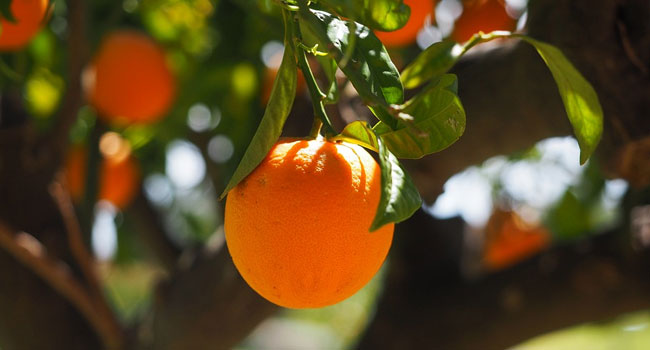
An orange packs over 170 different phytonutrients and more than 60 flavonoids, many of which have been shown to have anti-inflammatory, anti-tumour and blood clot inhibiting properties, as well as strong anti-oxidant effects.

The combination of the high amount of anti-oxidant (vitamin C) and flavonoids in oranges makes it one of the best fruits in helping to promote optimal health.

OrangeArteriosclerosis: Regularly consuming vitamin C retards the development of hardening of the arteries.

Cancer prevention: A compound in oranges called liminoid, has been found to help fight cancers of the mouth, skin, lung, breast, stomach and colon. The high vitamin C content also acts as a good anti-oxidant that protects cells from damages by free radicals.

Cholesterol: The alkaloid synephrine found under the orange peel can reduce the liver's production of cholesterol. Whereas the anti-oxidant fights oxidative stress that is the main culprit in oxidizing the LDLs in our blood.

Constipation: Even though the orange "tastes acidic", it actually has an alkaline effect in the digestive system and helps stimulate the digestive juices, relieving constipation.

Damaged sperms, repair: An orange a day is sufficient for a man to keep his sperms healthy. Vitamin C, an anti-oxidant, protects sperms from genetic damage that may cause a birth defect.

Heart disease: A high intake of flavonoids and vitamin C has been known to halve the risk of heart diseases.

High blood pressure: Studies have shown that a flavonoid called hesperidin in oranges can lower high blood pressure.

Immune system: The strong content of vitamin C stimulates white cells to fight infection, naturally building a good immune system.

Kidney stones, prevent: Drinking orange juice daily can significantly drop the risk of formation of calcium oxalate stones in the kidney.

Skin: The anti-oxidant in orange help protect the skin from free radical damage known to cause signs of aging.

Stomach ulcer: Consuming vitamin C rich foods helps to lower the incidence of peptic ulcers and in turn, reduce the risk of stomach cancer.

Viral infections, protection against: The abundance of polyphenols have been shown to provide protection against viral infections.

Thursday, August 15, 2013

Top 10 foods richest in fiber

Dietary fiber (dietary fibre, roughage) is an essential nutrient required for proper digestion of foods, proper functioning of the digestive tract at large, and for helping you feel full. A deficiency of fiber can lead to constipation, hemorrhoids, and elevated levels of cholesterol and sugar in the blood. Conversely, an excess of fiber can lead to a bowel obstruction, diarrhea, or even dehydration. Individuals who increase their intake of fiber, should in turn, also increase their intake for water. The current DV for dietary fiber is 25 grams. Below is a list of high fiber foods, for more, see the extended lists of high fiber foods by nutrient densityfiber rich foodsfruits high in fiber, and grains high in fiber.

#1: Bran (Corn)
Fiber 100g (Crude)1 Cup (76g)1/2 Cup (38g)
79g (316% DV)60g (240% DV)30g (120% DV)
Other types of bran high in fiber (%DV per cup crude): Wheat Bran (99%), Rice Bran (99%) and Oat Bran (58%).


#2: Cauliflower & Broccoli (Cauliflower) 
Fiber 100g (Raw)1 Cup (Raw, chopped - 107g)1 Cup (cooked - 124g)
2g (8% DV)2g (8% DV)3g (12% DV)
Broccoli contains 2.4g fiber (10% DV) per cup raw, chopped and 5g (20% DV) per cup cooked:.


#3: Cabbage (Savoy)
Fiber 100g (Raw)1 Cup (Raw, shredded - 70g)1 Cup (Cooked, shredded - 145g)
3g (12% DV)2g (9% DV)4g (16% DV)
Other Cabbages High in Fiber (%DV per cup shredded and cooked): Red Cabbage (16%), Common Cabbage (12%) and Chinese Cabbage (8%).


#4: Berries (Raspberries)
Fiber 100g (Raw)1 Cup (Raw - 123g)Per 10 Raspberries (19g)
7g (26% DV)8g (32% DV)1g (5% DV)
Other Berries High in Fiber (%DV per cup): Elderberries (41%), Blackberries (30%), Gooseberries (26%), Cranberries (18%) and Strawberries (12%)


#5: Leafy Greens (Cos or Romaine Lettuce)
Fiber 100g (Raw)1 Cup (Shredded - 47g)Per serving (85g)
2g (8% DV)1g (4% DV)2g (7% DV)
Other Greens High in Fiber (%DV per cup shredded): Turnip Greens (7%), Beet Greens (6%) and Spinach (3%)


#6: Celery 
Fiber 100g (Raw)1 Cup (Chopped - 101g)Per medium stalk (40g)
2g (6% DV)2g (6% DV)0.6g (2% DV)
Celery contains just 16 calories per 100g and 6 calories per medium stalk.


#7: Squash (Winter Hubbard)
Fiber 100g (Baked)1 Cup (Baked, cubed - 205g)
5g (10% DV)10g (40% DV)
Other Squash High in Fiber (%DV per cup cooked): Acorn (36%), Butternut (26%), Winter, all varieties (23%), Pumpkin (11%) and Summer, all varieties (10%). 


#8: Beans (Kidney)
Fiber 100g (Cooked)1 Cup (Cooked - 177g)Per tbsp (Cooked - 11g)
6g (26% DV)11g (45% DV)1g (3% DV)
Other Beans High in Fiber (%DV per cup cooked): Navy (76%), French (66%), Pinto (62%), Black (60%) and Chickpeas (50%).


#9: Mushrooms (White)
Fiber 100g (Cooked)1 Cup of pieces (Cooked - 156g)Per Mushroom (Cooked - 12g)
2g (9% DV)3g (14% DV)0.3g (1% DV)
Other Mushrooms High in Fiber (%DV per cup cooked pieces): Shitake (12%) and Portabella (11%). 


#10: Oranges (All Varieties)
Fiber 100g1 Cup Sections (180g)Per Fruit (131g)
2g (10% DV)4g (17% DV)3g (12% DV)
An average orange provides 62 calories.

Wednesday, August 14, 2013

Eat Right for Good Health


Eating the right food and in the right amount keeps you going ahead leaving behind ailments and diseases. But choosing the right food is a tough decision to make. The right food gives you correct amount of nutrition which is the science of food and its influence on life, in terms of health and disease. It is the work of nutritionists and dieticians to suggest good food in the right quantity for complete body health.

Dietitians and nutritionists work in many settings, including hospitals, cafeterias, nursing homes, and schools appointed for keeping good health of students, patients, and whoever is willing to eat healthy food. Some are even self-employed with their own practice. It is their job to help you maintain healthy lifestyle which can also further help to shed those extra kilos.

Dieticians and nutritionists assess a patient's nutritional need and develop a nutritional plan for those requiring special diets for preventive and therapeutic reasons. Together, Dietician's and Nutritionist's are the right people to contact for queries pertaining to weight management, Drug Nutrient Interactions, Muscle building and skin problems.

These food doctors have a healthy regard for food and its life-sustaining properties. They are primarily concerned with the prevention and treatment of illnesses through proper dietary care. Hypertension, diabetes, and obesity are some of the common health problems that nutritionists work to diminish. Through education and research, they also promote sensible eating habits in communities, schools, hospitals, prisons, clinics, and nursing homes.

Like all other health professionals, nutritionists are motivated by a concern to improve quality of life through improving quality of food. Food manufacturers and some restaurateurs employ nutritionists and dieticians to organize, develop, and help to prepare meals that are low in fat and cholesterol and virtually devoid of chemical additives.

Even some playschools appoint nutritionists and dietician to nurture good food values in children right from an early age. Dietitians and nutritionists work with wellness programs, public health agencies, home care agencies, and health maintenance organizations. They apply their knowledge about food and nutrition to individuals and groups of specific categories, life-styles and geographic areas in order to promote health and fight general ailments.

They often focus on the needs of the elderly, children, or other individuals with special needs or limited access to healthy food. Some community dietitians conduct home visits for patients who are too physically ill to attend consultations in health facilities in order to provide care and instruction on grocery shopping and food preparation. Especially in poor, underdeveloped and third world countries governmental and nongovernmental organizations take help of these dieticians and nutritionists to curb the problem of malnutrition prevailing in those countries.

If you or anybody you know is suffering from diabetes or any such disease that require a specific type of eating regime than a dietician or a nutritionist is the right person for you. There are around 30 nutritionist and dieticians working in Delhi to make your life better by suggesting the right diet for you.


This article has been written and posted by a health advisor working at bookmydoctor.com, who also provides free of cost consultancy to patients and advise on various topics like dietician in Delhi By visiting the site, you can read articles on nutritionist in Delhi and nutrition in Delhi.

Article Source: http://EzineArticles.com/?expert=Priyanka_Shrma


Monday, August 12, 2013

Top 3 Health Tips You Should Consider When Planning To Go Backpacking

If you are interested in going backpacking in the near future, it's always a good idea to try make sure that you do so without harming your health. Each year, there are many people who end up having their backpacking trips ruined on account of issues such as sudden illnesses or other health problems. There are a few things that you can do to reduce the risk of health risks when you decide to go for your trip. Some of these include:
Get a medical workup before you leave
Once you have decided that you need to go backpacking, you should get a medical workup to ensure that you are fit for it. This is especially so if you plan on travelling long distances. A simple physical exam will reveal any health issues that you may have and which may have an impact on your health during the backpacking trip.
A quality physician should be able to give you tips on how to take care of yourself while backpacking to ensure that you don't end up harming yourself. For instance, they could give you an idea of what you should eat to improve your immunity and give you enough strength to keep backpacking.
Be conversant about the basic medications you may need on the trip
If you are going for an extended trip, you will also need to carry some drugs that you may need on the trip. These include painkillers that can be used when you get minor pains. Remember, the fact that you may expose your body to harsh conditions such as cold may cause pain. Having such medication with you will reduce the chances of this impeding your progress.
Other things you may need include pain relief rubs, antiseptic liquids (for cuts and bruises) and even bandages. Basically, you need to make sure that you have an equipped first aid kit.
Learn how to administer first aid
It may also pay to learn how to do first aid especially when traveling as a group. There are some companies that can offer such training for a very low fee, so you should make a point of taking advantage of this if you can. Remember, the skills that you gain from such courses are not only going to be used on the trip; they may also come in handy later on in your life. Most high quality backpacking companies may also offer people training on how to maintain their health during the trip. You can also take advantage of such courses, since they are normally customized to provide the most important information for such a trip.
In summary, going on such a trip can be a lot of fun. If the trip is a short one, you could experience it without having to worry about most of the above. However, for very long visits, keeping the above in mind may make the trip easier for you and your friends, and in some cases it could even save your life.
Visit and find out more about backpacking and Yellowstone backpacking


Sunday, August 11, 2013

Good Foods For Healthy Joints


Changing some of your daily eating habits can affect your overall health. This is probably something that you already knew. Did you know changing some of the foods you eat daily can promote healthy joints and prevent joint conditions such as Arthritis and Osteoarthritis? Everyone in today's world seems to think they can just take pills for everything. While you can take pills, wouldn't you rather change your food intake and do things the nature way? There are lots of foods out there that can help prevent many medical conditions out there. Here are some great foods for healthy joints.

Glucosamine

This compound is found naturally in the body. This compound produces glycosaminogly can which is a molecule that is used to repair cartilage. So if something happens to your cartilage, your body will start to repair its self, as long as you have enough glucosamine in it. The older you get, the less your body can make Glucosamine. So you should do all that you can to help your body out, the natural way. The following foods contain glucosamine.

-Shrimp Shells
-Lobster Shells
-Crab Shells
-Most sports drinks
-Sweet Almond Oil

Manganese

This is a co-factor that helps in the process of building cartilage. Adding manganese into your diet will help the glucosamine in your body. Adding extra manganese will speed up and increase the productivity of this. The following foods contain Manganese.

-Beans
-Whole Grain Breads
-Whole Grain Cereals
-Milk
-Seafood
-Dark Leafy Vegetable
-Nuts

Omega 3 fatty Acids

This is something that you can only get through food or other supplement. Your body does not produce this. This means, if this is not included in your diet, then you will not have any of it in your system. These provide an anti-inflammatory effects which helps with pain and swelling. When your joints become inflamed, they can become very painful. Why not change your diet some rather then taking a Motrin. It also can help improve your blood flow. The following foods contain high counts of Omega 3 fatty acids.

-Salmon
-Cod
-Cod liver oil
-Flax seeds
-Walnuts
-Egg yolk
-Trout
-Sardines

Vitamins C & E

Vitamin E is an antioxidant. It slows down the aging process and works with Vitamin C. It enhances and protects Vitamin C. These two vitamins are often found together in foods, and they work together in your system. If you don't have one, then the other one cannot complete its job. So eating foods that are enriched with both vitamins are idea. Vitamin C , which is also known as the most famous vitamin, helps your body form collagen. Collagen is a protein that is found in your bones, tendons and cartilage. They also state that it can pro long your life as well. The following foods contain both vitamin C & E.

-All Citrus Fruit
-Tomatoes
-Strawberries
-Cabbage
-Kiwi
-Potatoes
-Watermelon
-Broccoli
-Cantaloupe
-Papayas
-Corn
-Nuts
-Oats

These are just some of the foods for healthy joints. Other things such as Chondroitin, MSM and Silicon can also be found in foods for healthy joints.


Adam Leeds is an accomplished niche website developer and author.

To learn more about healthy joints, please visit Joint Health Now for current articles and discussions.

Article Source: http://EzineArticles.com/?expert=Adam_Leeds